
Facts for Families9th July 2026
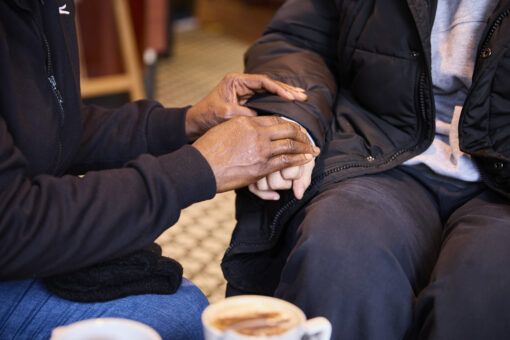
The death of someone important can bring a wide range of emotions and experiences. For some people, it is one of the hardest experiences of their lives. For others, particularly if the person had been living with significant pain, a prolonged illness, or where the relationship was difficult or abusive, the death may also bring a sense of relief. Many people experience a mixture of emotions, and these can change over time. There is no right or wrong way to feel or grieve. This resource offers guidance, information, and reassurance to support you, whatever your experience of bereavement.
Understanding grief
Grief is a natural response to loss and part of the healing process.
- You may experience a wide range of emotions, including sadness, anger, shock, guilt, numbness or confusion.
- These feelings can come and go and may change over time.
- There is no set timeline for grief – healing is gradual and personal.
The “stages of grief” (denial, anger, bargaining, depression and acceptance) can be a helpful way to understand grief, but not everyone experiences them, or in a particular order.
Allow yourself to grieve
- Let yourself feel whatever emotions arise, without judgement.
- Crying, talking, or sitting quietly are all valid ways to grieve.
- Some days will feel harder than others – this is normal.
Taking care of yourself
- Grief can be physically exhausting as well as emotionally draining.
- Try to rest when you can, eat regularly and drink enough fluids.
- Gentle activity, such as walking, can help.
- Be kind to yourself and lower expectations – it’s okay to step back from responsibilities.
Seek support
- Talk to someone you trust, such as a family member, friend or colleague.
- Many people find comfort in speaking to others who have experienced bereavement.
- Your GP can offer support and refer you to specialist bereavement counselling or local support groups.
- Local hospices are an excellent source of support. Many offer bereavement counselling and support to anyone in the local community, regardless of whether your loved one received care from the hospice. Some hospice bereavement services are funded by Local Authorities and are available to all community members.
- Community, cultural or faith groups can provide comfort, structure and shared rituals.
- A range of local and national bereavement support services, including organisations such as Cruse Bereavement Support, are listed in this factsheet
- For our family members we also offer our Family Helpline:
Family Helpline: 0300 303 9161 Mon – Fri 10am-12pm or answerphone.
family.helpline@dimensions-uk.org family.consultants@DimensionsUKLimited.onmicrosoft.com
And Employee Assistance Programme: 0800 028 0199. Please speak to a member of staff or the families team (above) for the code you will need.
Supporting children and young people
- Children may grieve differently and show feelings through behaviour rather than words.
- Be honest, use clear language, and reassure them they are safe and loved.
- Encourage questions and allow them to express feelings in their own way.
Remembering your loved one
- Creating memories can help keep a connection:
– Light a candle, plant a tree, or make a memory box or photo album.
– Mark anniversaries or special dates in a way that feels meaningful to you. - Celebrating their life can be as important as mourning their loss.
When to seek extra help
- If grief feels overwhelming for a long time, or is affecting daily life, sleep, or mental health, extra support can help.
- Reach out to your GP or a bereavement charity if you are struggling.
Remember:
Grief is deeply personal. There is no correct way to grieve and no pressure to “move on”. What matters most is taking care of yourself and accepting support when you need it.
Bereavement support organisations (UK)
National Support
- Cruse Bereavement Support
Free, confidential support for adults, children and families.
Helpline: 0808 808 1677
Website: www.cruse.org.uk - Bereavement Advice Centre
Practical advice on what to do after a death, including legal and financial matters.
Website: www.bereavementadvice.org - Samaritans
Emotional support for anyone struggling or feeling overwhelmed, 24 hours a day.
Freephone: 116 123
Website: www.samaritans.org - The Compassionate Friends
Support for parents, siblings and grandparents after the death of a child, of any age and from any cause.
Helpline: 0345 123 2304
Website: www.tcf.org.uk
Support for children and young people
- Winston’s Wish
Specialist bereavement support for children, young people and their families.
Helpline: 08088 020 021
Website: www.winstonswish.org - Child Bereavement UK
Support for families and professionals supporting bereaved children.
Website: www.childbereavementuk.org
Health and local support
- Your GP
Can offer emotional support, assess wellbeing and refer to counselling or local bereavement services. - Local bereavement groups
Many areas have community or hospice-based groups offering peer support. Your GP, local council or hospice can advise.