
25th November 2026
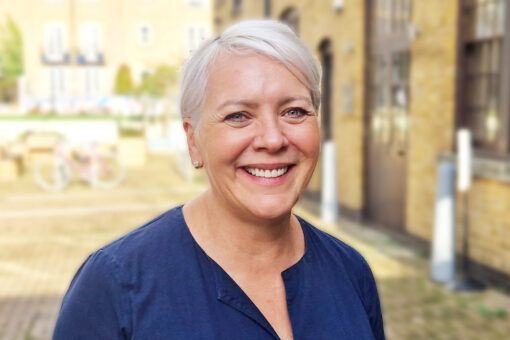
“We welcome the Timms Review‘s vision for a fairer, more accessible system that focuses on enabling disabled people to live the lives they choose, rather than what they cannot do.
“Personal Independence Payment is vital in helping disabled people meet the additional costs of living an ordinary life – getting to work, seeing friends and family, pursuing interests and participating in their communities. These are things that many of us take for granted but which often cost more for disabled people.
“It is important to recognise that PIP is also an in-work benefit and, for many disabled people, helps make employment possible.
“We particularly welcome the retention of cash awards, the focus on real-life additional costs and the Government’s commitment to reducing unnecessary reassessments for people with lifelong conditions.
“While better access to services is welcome, disabled people must retain choice and control over how they use their financial support. PIP has a distinct purpose that cannot be met by health and adult social care services alone.
“As the Government considers these recommendations alongside wider welfare reform, we must ensure that the drive to reduce welfare expenditure does not undermine benefits that actively enable independence, employment and participation in society. Reducing financial support does not remove people’s needs and risks increasing reliance on other public services.
“The Government should provide assurances about future eligibility, financial entitlement and protection for existing claimants.
“The success of these reforms should be measured by the opportunities they create, the barriers they remove and the greater independence they enable for disabled people.
“Finally, we welcome the meaningful involvement of disabled people in shaping this first full review of PIP in 13 years.
“We particularly want to thank our advocacy lead, Dr Mark Brookes MBE, for his months of diligent work on the steering group, balancing his own work here at Dimensions with the Timms Review.”

Jordan Smith, former chair of the Dimensions Council (made up of people supported by the provider), who lives with cerebral palsy, a learning disability, is autistic, and receives PIP, says:
“I’m about 75% positive about the PIP review, but cautious. I’m pleased it has taken up some of the concerns we raised and recognises real-life costs. When I read the recommendations today, I thought about my own PIP award, friends, family and people we support.
“I’m also worried about people with lower support needs, including people with ADHD or autism as their only conditions. I’m worried that their support could be reduced or withdrawn. I believe that most of the people we support at Dimensions will not be negatively affected by these planned reforms to PIP, but I do worry about people who receive less support, who are more able, and what their PIP means for them.
“My last assessment was in 2022. When I got the letter saying I wouldn’t be reassessed until 2031, it felt like a weight lifted off my mind and shoulders. I could breathe. But I worry about being reassessed again and what they’ll be looking for, especially as my cerebral palsy, autism and learning disability are lifelong, and my needs fluctuate.
“PIP helps me cover the extra costs I face. Private physiotherapy for my cerebral palsy costs £80 to £140 for a 45-minute to one-hour session, and in colder weather I may need at least one session a week. I also use it towards chiropody, monthly ear syringing at £80, extra washing and hot water, taxis when I can’t manage the bus, and my contribution to one-to-one support. That’s why I’m against any removal of the ‘cash first’ approach. My needs change, and I need flexibility to spend it where it matters each week.”